Overview
Creating an outdoor kitchen enhances your cooking experience, but proper ventilation is essential for safety and comfort. Adequate airflow prevents harmful gas buildup, reduces heat, and improves air quality. Key design strategies include strategic appliance placement, using ventilation appliances like range hoods and exhaust fans, and maintaining a clean environment. Prioritize ventilation to ensure enjoyable and safe culinary adventures outdoors.
Creating an outdoor kitchen is an exciting venture that can elevate your outdoor cooking experience to new heights. From grilling scrumptious steaks on a BBQ grill island to baking pizzas in high-performance outdoor pizza ovens, having a well-thought-out outdoor cooking area allows for countless moments of enjoyment. However, one critical aspect that often gets overlooked is the importance of proper ventilation. In this article, we'll discuss why adequate airflow is essential for your outdoor kitchen, ensuring safety, comfort, and an enjoyable culinary experience.
Understanding the Need for Ventilation
Proper ventilation in your outdoor kitchen ensures that smoke, heat, and cooking odors are effectively channeled away from your cooking area. When grilling, using outdoor griddles, or firing up a fire pit, these activities can produce excessive heat and smoke, which, if not properly ventilated, can turn your outdoor cooking oasis into an uncomfortable space. Here’s why proper ventilation matters:
Safety First
Safety should always be your top priority when it comes to cooking outdoors. Inadequate ventilation can lead to a buildup of carbon monoxide, particularly when using gas grills or outdoor heating appliances. This colorless and odorless gas can be dangerous, making it vital to ensure that your outdoor cooking area has proper airflow. Adequate ventilation helps keep harmful gases at bay, allowing you peace of mind while you create culinary masterpieces.
Enhancing Comfort
Cooking outdoors should be a pleasurable experience, not a taxing one. When the heat from your BBQ grill islands or fire pits becomes unbearable due to poor ventilation, your time spent cooking can quickly turn into a sweat-soaked affair. Ventilation systems promote air circulation, helping to maintain a comfortable temperature, allowing you to enjoy outdoor living and garden activities without discomfort. Imagine effortlessly preparing meals without the oppressive heat pouring down on you!
Designing for Ventilation
When designing your outdoor kitchen, proper ventilation strategies should be woven seamlessly into the layout. Here are some key elements to keep in mind:
Strategic Placement of Appliances
One of the best ways to ensure proper airflow is to strategically place your cooking appliances. Here are some tips:
-
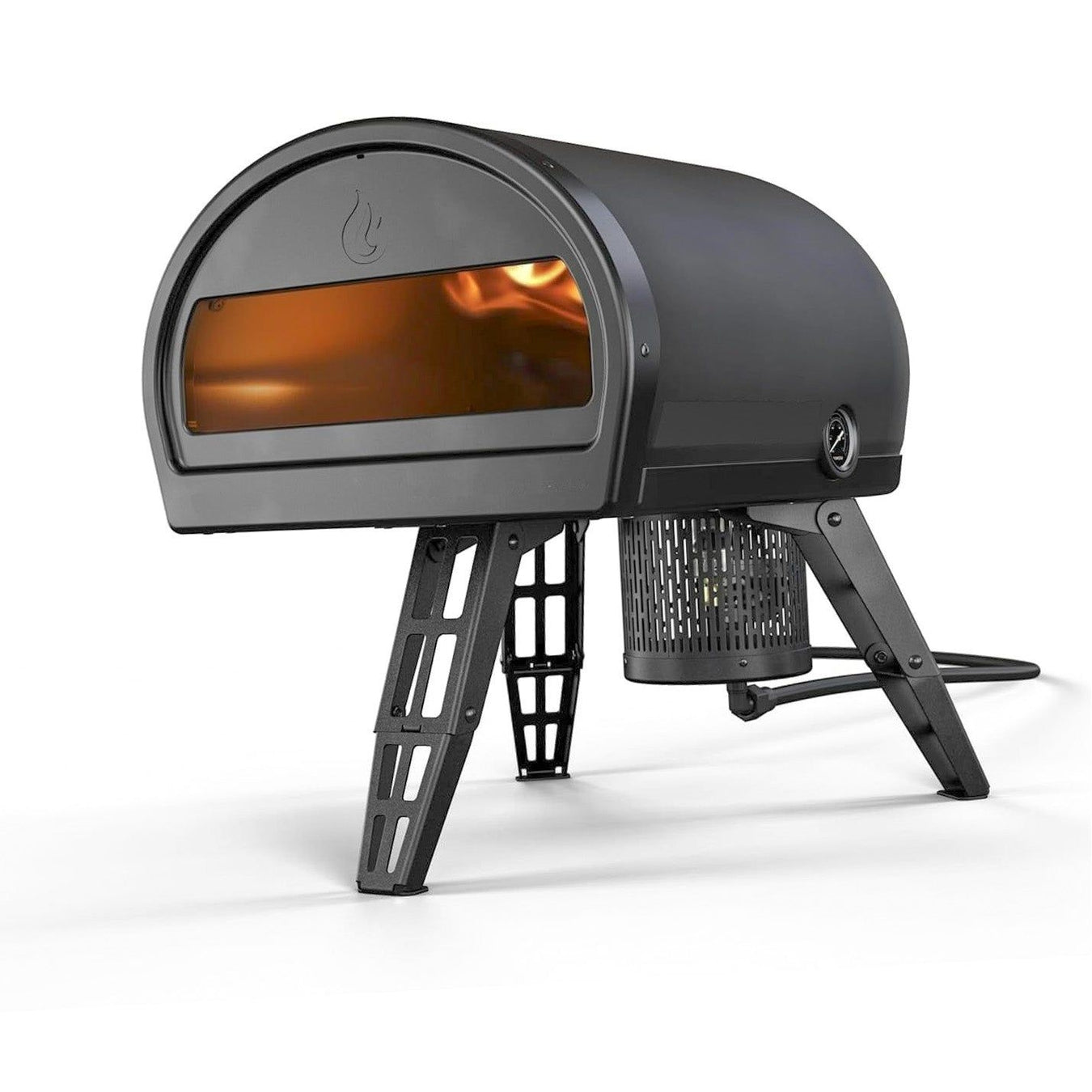
Position Grills and Ovens Wisely: Ensure that your grills, outdoor griddles, and outdoor pizza ovens are not placed against walls or close to obstructions. This will allow smoke to escape freely.
-
Incorporate Open Spaces: Consider an open design that allows air to flow through the kitchen area. Using natural landscaping or decorative outdoor furniture to create a pleasant, open feel can help with air circulation.
-
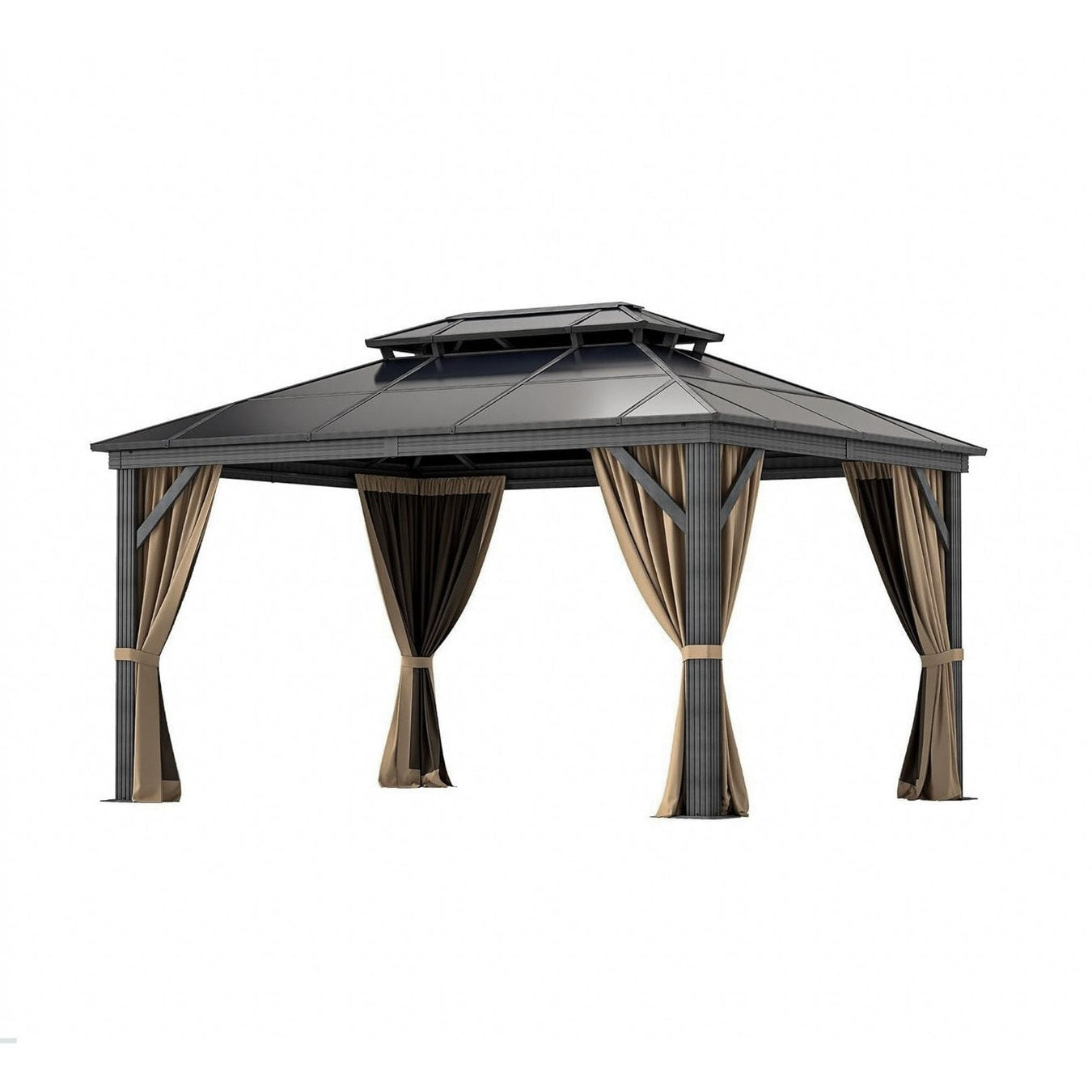
Functional Canopies: If you have a covered area, ensure that your canopy or pergola has adequate venting options. This can be achieved through adjustable sides or openings that let hot air escape.
Ventilation Appliances
Investing in ventilation appliances can significantly enhance the air quality in your outdoor kitchen. Options include:
-
Range Hoods: Just like indoor kitchens, installing a dedicated range hood can help capture smoke and odors produced by your cooking appliances, maintaining a cleaner atmosphere.
-
Exhaust Fans: Placing exhaust fans strategically within your outdoor cooking area can assist in drawing heat and smoke upwards and away from the cooking zone.
-
Air Circulators: Consider outdoor ceiling fans or portable air circulators to improve airflow, especially if your outdoor kitchen is enclosed.
The Dangers of Poor Ventilation
Ignoring proper ventilation can lead to several serious issues. Understanding these potential dangers can help you grasp the urgency in addressing ventilation in your outdoor kitchen:
Health Hazards
As mentioned earlier, poor ventilation can lead to a dangerous buildup of carbon monoxide, which can lead to serious health risks. Prolonged exposure can cause headaches, dizziness, and even more severe health issues. Ensuring sufficient airflow is essential to maintain a safe cooking environment, especially when utilizing gas grills or outdoor heating options.
Fire Risks
Inadequate ventilation means an accumulation of flammable gases, increasing the risk of a fire. Proper airflow reduces the chances of ignition, especially in environments where outdoor heating elements or fire pits are frequently used. Fire safety should not be compromised; ensure your outdoor kitchen is designed with ventilation measures in mind.
Improving Air Quality
Another crucial benefit of a well-ventilated outdoor kitchen is the improvement in air quality. Here are some tips to enhance the air quality in your outdoor cooking area:
Utilizing Natural Elements
Take advantage of the natural elements around your outdoor living space:
-
Strategic Planting: Positioning trees or tall shrubs can act as natural windbreaks while allowing air to flow around them. This not only enhances air quality but adds beauty to your outdoor area.
-
Using Aromatic Herbs: Incorporating fragrant herbs in your cooking area can alleviate cooking odors and enhance the overall outdoor cooking experience.
Cleaning and Maintenance
To maintain good air quality, consistent cleaning is essential. Keep your cooking appliances free from grease buildup, as this can contribute to poor air quality. Regularly clean grills, outdoor griddles, and pizza ovens to ensure they operate efficiently without creating excess smoke. Additionally, ensure that ventilation appliances, such as exhaust fans, are clean and functioning correctly.
Additional Considerations for Enhancing Your Outdoor Kitchen
Beyond ventilation, creating an ideal outdoor kitchen involves various other factors. Here are a few to think about:
Outdoor Refrigeration
Incorporating outdoor refrigeration systems allows you to easily access beverages and ingredients while cooking. Adequate access to cold items can make outdoor cooking more seamless. Just as with air circulation, ensure that your outdoor refrigeration is well-ventilated to prevent any overheating situations.
Outdoor Heating and Fire Pits
Your outdoor kitchen might include cozy features such as outdoor heating or fire pits. While these elements enhance warmth and ambiance, they can also generate smoke and heat. Careful design and appropriate material selection will ensure safety and functionality. Always prioritize ventilation when including these items in your outdoor cooking area.
Inviting Ambiance with Outdoor Audio & Video
Consider installing outdoor audio & video systems to elevate the enjoyment of your cooking and dining experiences. Keeping the air flowing freely while you enjoy your favorite tunes or movie can help create a festive atmosphere in your outdoor kitchen. Just remember to choose durable outdoor-rated speakers and screens that will withstand the elements!
Creating a Functional and Comfortable Space
Finally, let’s not forget the importance of outdoor furniture in enhancing the comfort and overall experience of your outdoor kitchen. Thoughtfully selected outdoor furniture can make your cooking and dining area inviting and functional:
-
Comfort Matters: Choose comfortable seating that accommodates guests as they enjoy your culinary creations.
-
Weather-resilient Materials: Opt for furniture that can withstand outdoor exposure to maintain its appearance and longevity.
-
Dining Versatility: Consider tables that can adapt to varying meal sizes, allowing for intimate dinners or larger gatherings.
Your Outdoor Kitchen Experience Awaits!
The importance of proper ventilation in outdoor kitchens cannot be overstated. A well-ventilated space ensures safety, comfort, and enhances your overall outdoor cooking experience. By incorporating strategic designs, ventilation solutions, and considering additional features for your outdoor living space, your culinary adventures will flourish without the drawbacks of poor airflow. Start planning your perfect outdoor kitchen today, and make every meal an unforgettable experience with family and friends!