Overview
Outdoor cooking is fun but safety is key. Choose a safe cooking spot, familiarize yourself with equipment, prioritize fire and food safety, plan and prepare ahead, stay hydrated, and be ready for weather changes. Create a welcoming environment and consider solar backup and emergency kits for added safety. Enjoy your outdoor culinary adventures!
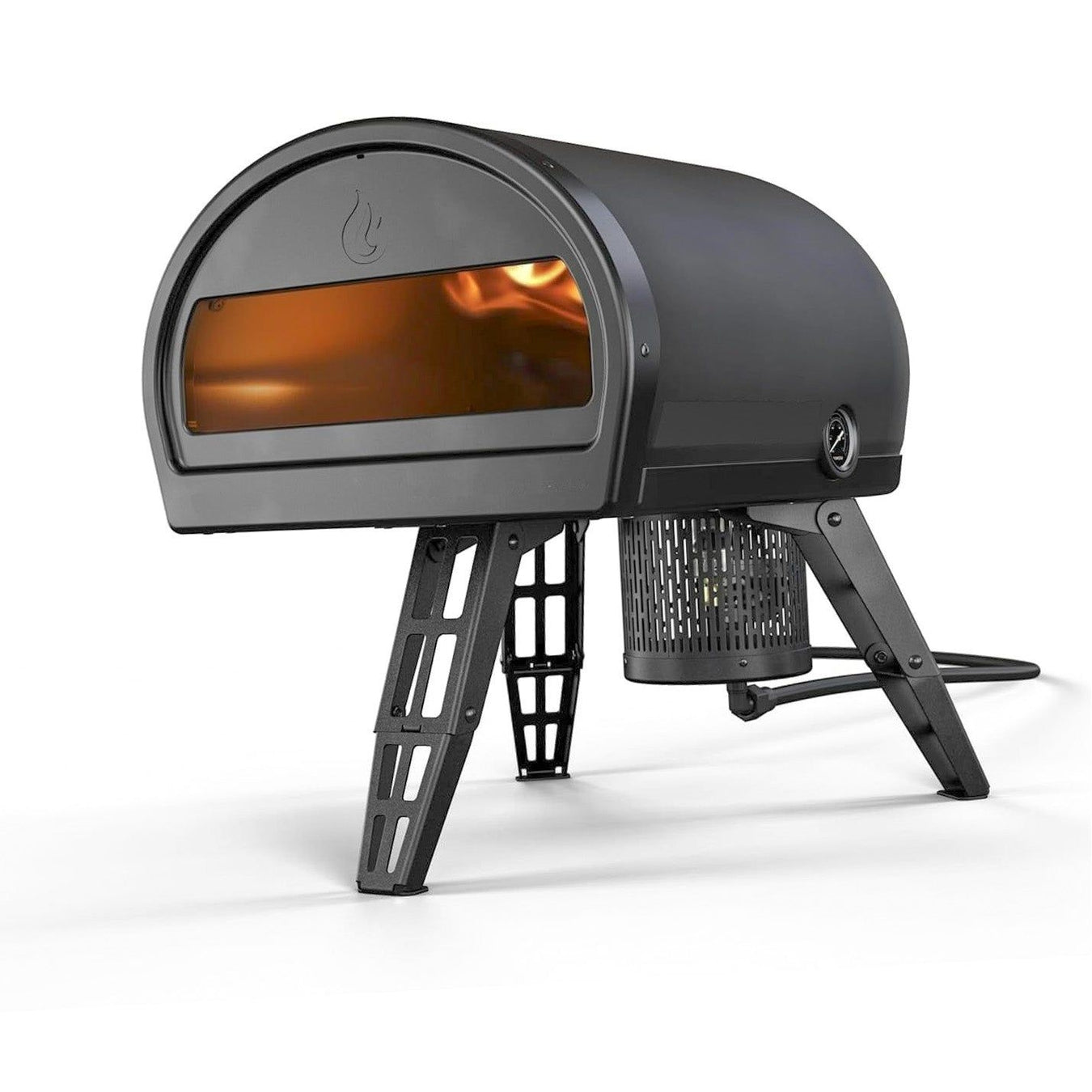
Cooking outdoors can be one of the most enjoyable activities, especially when the sun is shining, and the aroma of grilled food fills the air. Whether you're using grills, outdoor griddles, or even outdoor pizza ovens, it’s crucial to prioritize safety. With the right preparation and knowledge, you can create a delicious meal while keeping everyone around you safe. Here are some essential safety tips for outdoor cooking that will help you enjoy your culinary adventures without worry.
Choose the Right Spot for Your Outdoor Kitchen
The location of your outdoor kitchen plays a significant role in ensuring safety during cooking. Here are some tips to keep in mind:
-
Avoid Clutter: Pick a space clear of flammable materials such as dry leaves, paper products, and even overhanging tree branches.
-
Distance from Structures: Maintain a safe distance between your cooking appliances, such as BBQ grill islands, and any structures, including your home, garage, or fence.
-
Flat and Stable Surface: Set up your grill or cooking equipment on even ground to prevent tipping and spilling.
-
Sunny vs. Shady: Consider the heat. Cook in a shaded area if it’s hot outside to manage heat levels and avoid cooking in direct sunlight for extended periods.
Master the Equipment
Before you fire up the grills or set your outdoor griddles to sizzle, it's essential to familiarize yourself with the equipment:
Read the Manuals
Every piece of equipment comes with a manual. Make sure you read through it to understand proper operation and safety guidelines. Remember that knowledge is power, especially when handling gas-fueled appliances.
Inspect Before Use
Before every cooking session, check your appliances for leaks, rust, or damage. Inspect hoses for cracks on outdoor refrigeration units and various cooking devices. If something seems off, it might be best to troubleshoot or consult a professional.
Understanding Fire Safety
Fire is often a central aspect of outdoor cooking, whether through fire pits, grills, or other heating sources, so taking precautions is key:
-
Use Proper Fuel: Only use the recommended fuels for your cooking appliances—never substitute one type of fuel for another.
-
Keep a Fire Extinguisher Nearby: Make sure you have a fire extinguisher within reach. Ideally, this should be rated for grease and flammable liquids.
-
Monitor Children and Pets: Ensure that children and pets stay a safe distance away from cooking areas to reduce fire risk and prevent accidents.
-
Properly Extinguish Fires: When you’re done cooking, make sure to fully extinguish the fire, whether from your grill, fire pit or patio heaters.
Food Safety is Key
When cooking outdoors, it's essential to prioritize food safety. Keeping food safe prevents illness and ensures your outdoor dining experience is a hit:
Keep It Cool
Utilize outdoor refrigeration to keep perishable items chilled. Heat can rise significantly outdoors, so keep meats, fish, and dairy products in a cool place until you're ready to cook. Having a mini-fridge or cooler nearby can be quite beneficial.
Use a Food Thermometer
Investing in a food thermometer will allow you to check that your meats are cooked to the appropriate internal temperature. This is a simple yet effective way to prevent foodborne illnesses.
Avoid Cross Contamination
When preparing your food, use different cutting boards for raw meats and vegetables. This will prevent cross-contamination and help keep everyone safe. Remember to wash your hands and utensils frequently during the cooking process.
Make Preparations Before Cooking
Scheduling your preparations can enhance safety and efficiency. Here are a few handy tips:
-
Plan Your Menu: Plan your meal ahead of time, ensuring you have all required ingredients and tools within reach before you start cooking.
-
Marinate Safely: If you're marinating meats, always do so in the refrigerator rather than on the counter to keep bacteria at bay.
-
Prepare a Safe Exit: Ensure there's a direct path for anyone to exit the cooking area in case of an emergency.
Stay Hydrated and Take Breaks
Outdoor cooking can be exhilarating, but it's also important to pay attention to hydration and physical wellbeing:
Drink Plenty of Water
When you’re outside in the heat, make sure to drink plenty of water throughout your cooking session to stay hydrated. Staying hydrated helps you stay focused and alert while grilling.
Take Breaks
Don’t push yourself too hard. Take breaks, especially during longer cooking sessions. This will help reduce fatigue and ensure that you’re attentive while cooking, thus promoting safety.
Always Be Prepared for Weather Changes
The weather can be unpredictable, particularly in seasons where outdoor cooking is popular. Be ready:
-
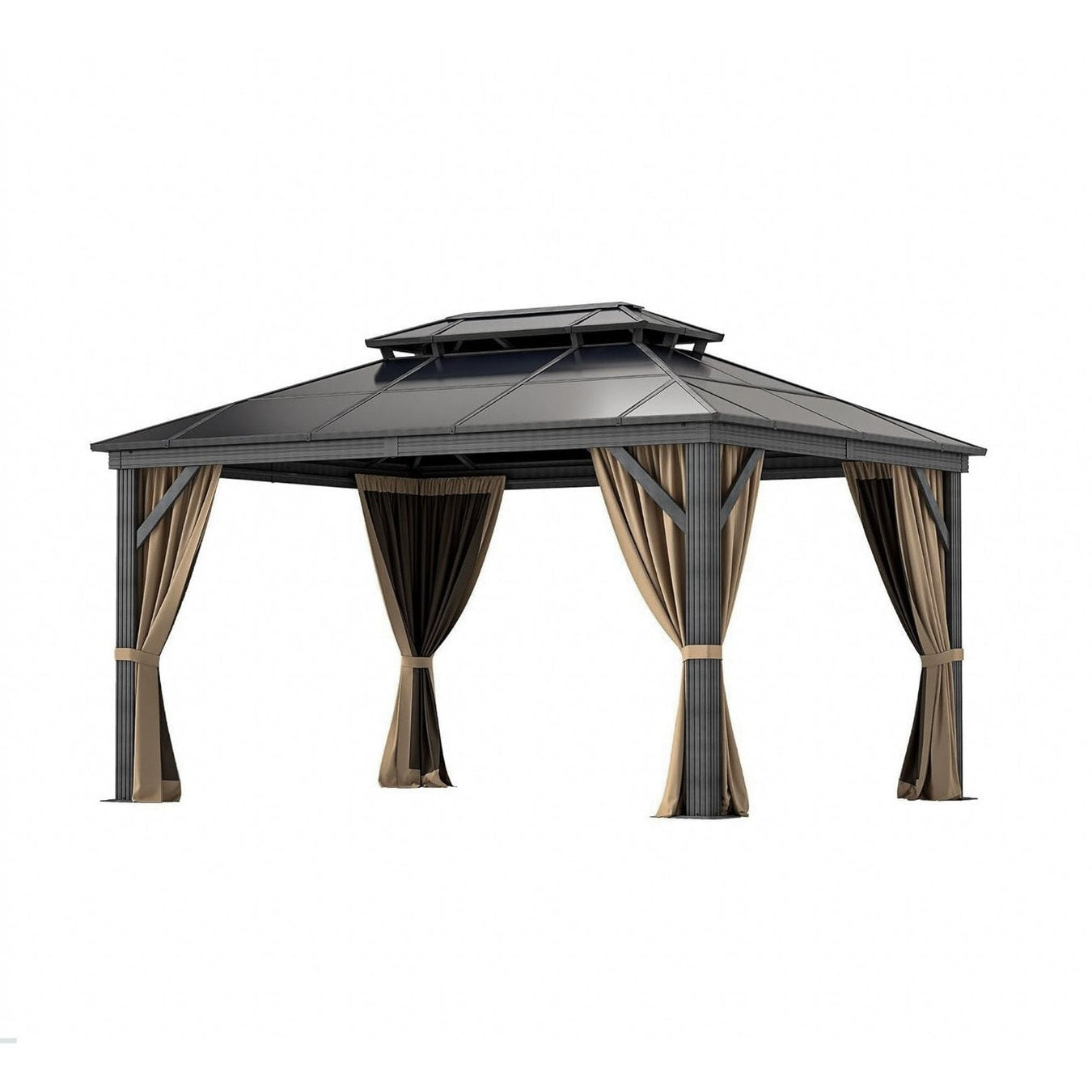
Have a Backup Plan: Think about your shelter when inclement weather strikes—whether it's a gazebo, awning, or simply a patio area. Being prepared ensures safety and comfort.
-
Wind and Rain Precautions: Strong wind and rain can spread flames or carry away embers. Always monitor the weather as you cook outdoors and be prepared to cease cooking if conditions worsen.
Create an Inviting and Safe Environment
Your outdoor area should not only be safe but also welcoming for your guests. Here’s how to create an atmosphere that promotes safety:
Arrange Outdoor Furniture Wisely
Organize outdoor furniture away from grills and flames. Ensure there’s a spacious layout that allows easy movement for both cooking and dining.
Set Up Outdoor Audio & Video for Entertainment
Integrate outdoor audio & video systems to entertain your guests. But ensure that cords and equipment are safely placed to avoid trip hazards.
Solar-Powered Backup and Emergency Kits
Investing in a solar power backup can be extremely useful for any unexpected outages, especially if your outdoor cooking depends on electronic appliances:
-
Solar Backup Solutions: Systems that harness solar energy can keep your lights and appliances running during blackouts or emergencies.
-
Emergency Kit: Have a designated area for your emergency kit, equipped with first-aid supplies, flashlights, and backup batteries in case of sudden needs.
Cooking Outdoors Done Right
Outdoor cooking brings a unique flair to your culinary skills and creates memories that last a lifetime. By adopting these safety tips, you're well on your way to enhancing both safety and enjoyment in your outdoor cooking endeavors. Remember, preparation is key, so take the time to prioritize safety, keep your environment engaging, and enjoy every moment spent in your outdoor living & garden space. Happy grilling!