Overview
Building an outdoor kitchen enhances your backyard, boosts home value, and creates a social hub for gatherings. Key elements include thoughtful layout, quality cooking appliances, adequate storage, and a focus on comfort and ambiance. Utilize durable materials, plan for utilities, ensure good lighting, and incorporate nature for a beautiful, functional space. Consider sustainability with eco-friendly features. Personalize your kitchen with decorative accents for a unique touch.
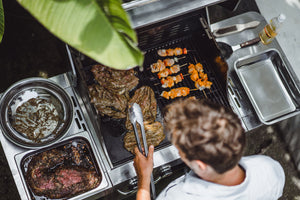
Are you ready to embrace the joys of outdoor cooking? Building an outdoor kitchen can transform your backyard into a culinary paradise. Whether you’re grilling burgers, baking pizzas, or entertaining friends, a well-designed outdoor kitchen makes it all possible. In this ultimate guide, we’ll discuss everything you need to know about designing your outdoor kitchen that suits your lifestyle and needs.
Why Invest in an Outdoor Kitchen?
Before diving into the design elements, let’s talk about why you should consider investing in an outdoor kitchen. An outdoor kitchen not only enhances your cooking experience, but it also elevates your outdoor living & garden space. Here are some key benefits:
-
Increased Home Value: A beautifully designed outdoor kitchen can significantly boost your property value.
-
Social Hub: Outdoor kitchens serve as a fantastic gathering place for family and friends.
-
Extended Cooking Season: You can enjoy outdoor cooking year-round with the right heating solutions.
-
Healthy Cooking: Outdoor cooking allows for healthier meal options without the clutter of indoor kitchens.
Key Elements of an Outdoor Kitchen
To create a functional and inviting outdoor kitchen, you should consider the following essential elements:
1. Layout and Design
The layout of your outdoor kitchen is crucial. You’ll want to consider the workflow, much like you would in an indoor kitchen. The typical “work triangle” involves a smooth flow between the grill, sink, and refrigerator. Here’s how you can optimize your outdoor space:
-
Cluster Activity Zones: Group your cooking, prepping, and serving areas together.
-
Circular Flow: Ensuring easy movement around the kitchen makes it user-friendly.
-
Accessibility: Make your outdoor kitchen accessible from your indoor kitchen for easy transport of items.
2. Cooking Appliances
When it comes to outdoor cooking, the appliances you choose are vital for functionality. Here’s a run-down of the best equipment to consider:
-
Grills: A high-quality grill is essential for any outdoor kitchen. Look for options that provide even heat and enough cooking space.
-
Outdoor Griddles: Ideal for versatile cooking, outdoor griddles allow you to prepare a variety of meals.
-
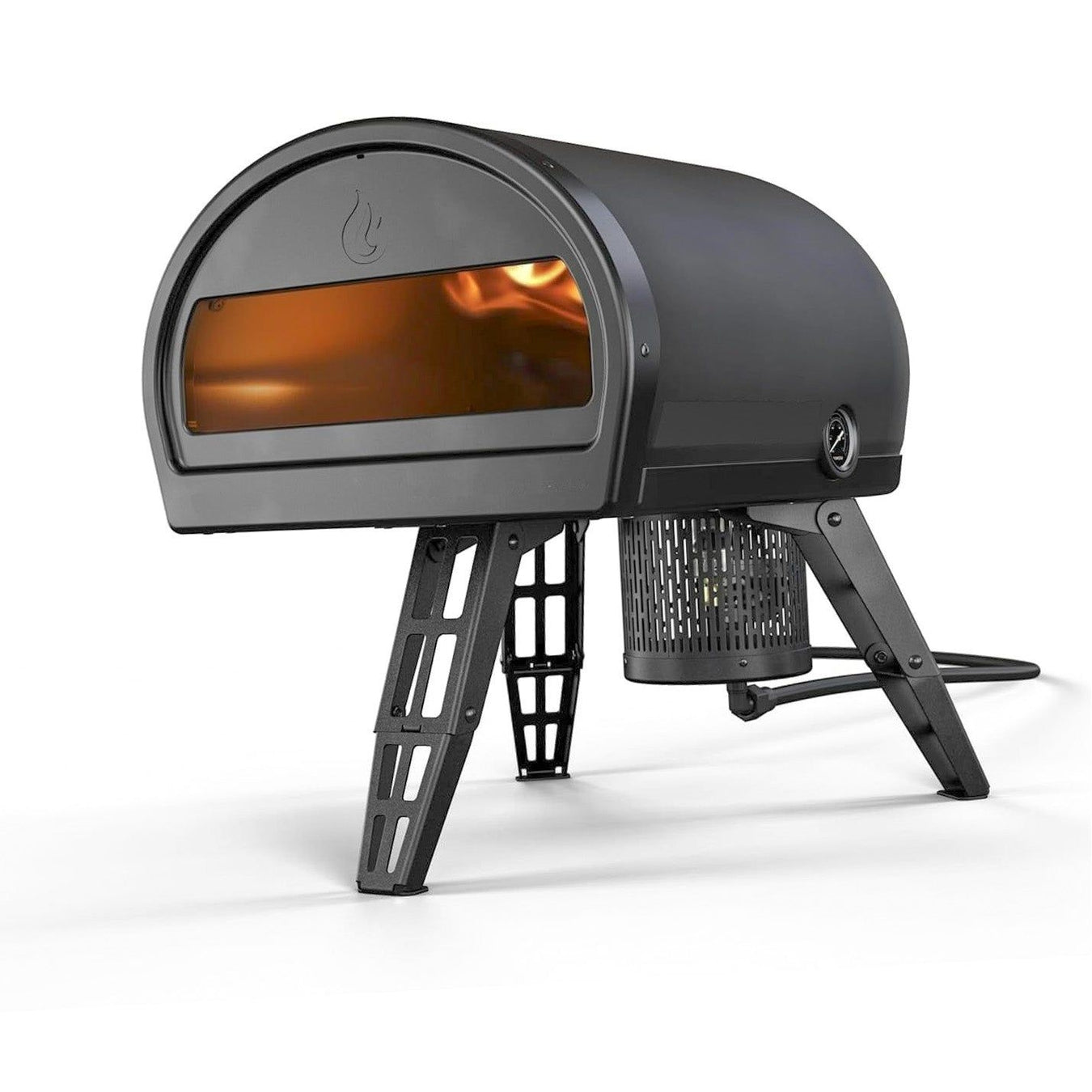
Outdoor Pizza Ovens: Bring the pizzeria to your backyard with a dedicated pizza oven for those pizza nights with family and friends.
3. Storage Solutions
Incorporating adequate storage is crucial to keep your outdoor kitchen organized. Here are some storage solutions you shouldn't overlook:
-
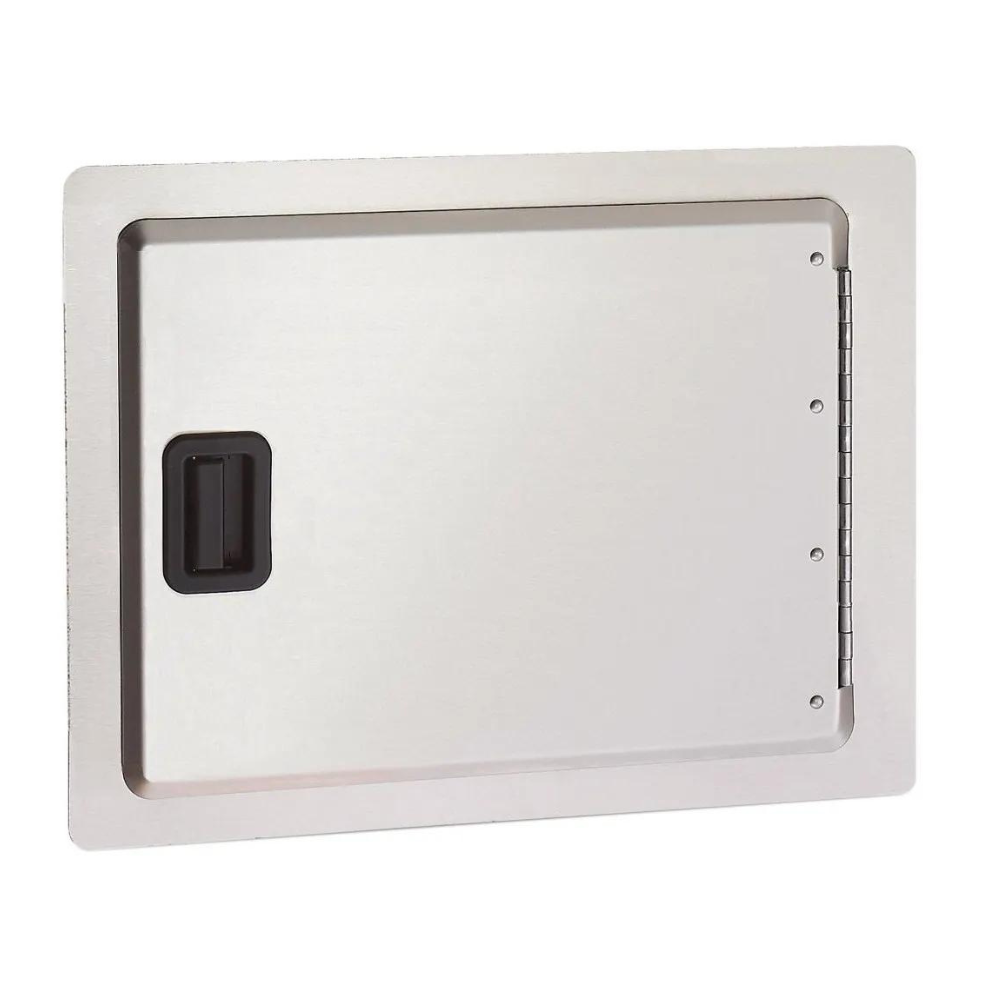
Cabinets: Weather-resistant outdoor cabinets can house utensils, plates, and cooking essentials.
-
BBQ Grill Islands: These units often come equipped with storage spaces and can serve as a focal point.
-
Outdoor Refrigeration: Keep your ingredients fresh and drinks cold with an outdoor refrigerator.
4. Comfort and Ambiance
Don’t forget the importance of comfort and ambiance in your outdoor kitchen. Here are a few tips to enhance both:
-
Outdoor Furniture: Invest in comfortable and stylish outdoor furniture that complements your kitchen space.
-
Outdoor Heating: Consider patio heaters or fire pits for cozy nights and cooler weather.
-
Outdoor Audio & Video: Enhancing your kitchen with audio and video options allows for great entertainment while cooking.
Design Tips for Outdoor Kitchens
Now that we’ve covered the basics, let’s explore some design tips that can help you create a visually appealing and functional outdoor kitchen:
1. Choose the Right Materials
Durability is key when selecting materials for your outdoor kitchen. You’ll want materials that can withstand weather elements while still looking good. Here are some recommended options:
-
Stainless Steel: Ideal for grills and appliances due to its resistance to rust and corrosion.
-
Natural Stone: Perfect for countertops and backsplashes, offering an elegant look and durable performance.
-
Composite Decking: Great for flooring; it's resistant to fading, stains, and mold.
2. Plan for Utilities
Utility planning is often overlooked, but it's a fundamental aspect of your outdoor kitchen. Ensure that you have:
-
Electrical Outlets: These can power appliances, outdoor heating solutions, and lighting.
-
Water Supply: Having a sink is handy for prep and cleanup; just ensure you're connected to a proper water source.
-
Gas Lines: If you’re using a gas grill or outdoor pizza oven, be sure to have a safe gas line installed.
3. Lighting Matters
Good lighting can create a captivating atmosphere and ensure safety while cooking. Consider these lighting solutions:
-
Task Lighting: Installing lights over cooking areas helps with food prep.
-
Ambient Lighting: Add string lights or lanterns to create a cozy atmosphere.
-
Spotlights: Use spotlights to highlight features like outdoor furniture or a fire pit.
Incorporate Nature into Your Design
Your outdoor kitchen should harmonize with its natural surroundings. Here are ideas to incorporate nature into your design:
-
Landscaping: Surround your kitchen with greenery or a garden to make it blend seamlessly with the environment.
-
Natural Elements: Use wood and stone in your design to reflect natural beauty.
-
Views and Orientation: Position your kitchen to take advantage of beautiful views, whether it’s a garden or a scenic landscape.
Stay Sustainable
As you design your outdoor kitchen, consider how you can make it more sustainable. Here are some eco-friendly tips:
-
Solar Power Backup: Implement solar panels to power appliances and lighting.
-
Water-efficient Fixtures: Use faucets and sinks that conserve water.
-
Compost Bins: Install compost bins for food waste and utilize the compost for landscaping.
Final Touches That Make a Difference
After planning all the functional elements, it’s time to add those personal touches that make your outdoor kitchen truly yours:
-
Decorative Accents: Use outdoor rugs, cushions, or wall art for a splash of personality.
-
Custom Pieces: Consider having custom-made furniture that fits your space perfectly.
-
Fire Pits and Seating Areas: Create cozy corners for friends and family to gather while you cook.
Designing your outdoor kitchen can seem overwhelming, but with careful planning and thoughtful considerations, you can create a beautiful and functional space that enhances your outdoor cooking experience. From choosing the right materials to incorporating nature and sustainability, every element plays a role in making your outdoor living space an ultimate retreat.
As you embark on this exciting project, remember that your outdoor kitchen should reflect your unique style and meet your cooking needs. Enjoy the process of creating a space where memories will be made and culinary adventures will unfold!